Shark Trophy - 3d Papercraft: A Review for Content Creators
In the world of digital publishing, visual hierarchy is not just an aesthetic choice; it is a functional necessity. As a blog designer and digital publisher who has spent years optimizing content for readability, click-through rates, and brand trust, I approach every graphic design asset with a critical eye. We are looking for more than just a pretty image; we need assets that support our editorial voice, enhance our brand identity, and perform well across various devices. Recently, I evaluated a unique design asset titled "Shark Trophy - 3d Papercraft." This piece, categorized under Shapes and available as a 3D SVG, offers a distinct visual mood that warrants careful consideration for specific niches.
The First Impression: Editorial Mood and Niche Fit
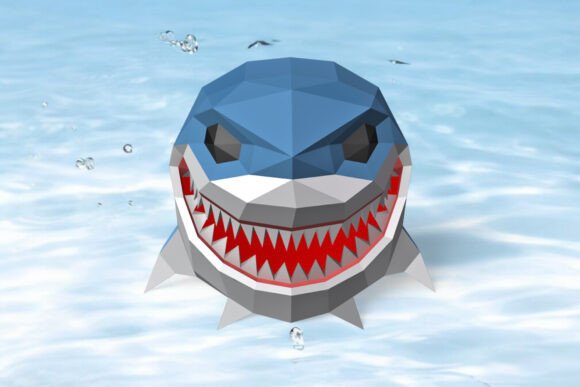
When you first encounter the Shark Trophy papercraft model, the immediate feeling is one of tactile creativity mixed with bold geometric structure. It is not a subtle, minimalist element; it is a statement piece. The assembled form—a shark head trophy measuring approximately 28 x 31 x 21 CMS—creates a strong visual anchor. For a publisher, this translates to an editorial mood that is playful yet structured, artistic, and undeniably modern.
This asset does not fit into every niche. If you run a corporate finance blog or a serious legal advice site, this creative design might feel too decorative or whimsical. However, for lifestyle bloggers, creative entrepreneurs, educational platforms focusing on arts and crafts, or even gaming and entertainment sites, this asset brings a sense of fun professionalism. It suggests that your content is polished but approachable. The "trophy" aspect implies achievement, which can subconsciously signal value to your readers, whether they are downloading a free guide or purchasing a course.
Integrating Papercraft into Your Publishing Workflow
The true value of a digital download like this lies in its versatility within your existing workflow. While the final product is a physical 3D object requiring assembly (taking about 3 hours with colored paper, glue, scissors, and a craft knife), the digital files provided—PDF, DXF, EPS, PNG, and JPG—offer immense flexibility for web use. Here is how I see this fitting into real content marketing scenarios:
- Blog Featured Images: The high-contrast lines and geometric nature of the shark head make for excellent featured images. They stand out in crowded RSS feeds and social media feeds where users scroll quickly. The clean edges translate well to digital screens, offering a crisp look that demands attention.
- Pinterest Pins: Pinterest is a visual search engine. A unique 3D-style graphic like this papercraft shark can break the pattern of standard stock photography. When paired with clear typography, it serves as a highly clickable Pinterest pin for tutorials, DIY guides, or creative challenges.
- Newsletter Graphics: Email open rates depend heavily on subject line visuals and header designs. Using a cropped section of the papercraft file as a banner can add a touch of personality to your newsletter without overwhelming the text. It signals that your brand pays attention to detail.
- Digital Guides and Lead Magnets: If you are creating a downloadable PDF, such as a "How to Make Papercraft" guide or a creative project workbook, using this asset on the cover establishes immediate thematic relevance. It acts as a powerful visual hook for your lead magnet.
- Category Thumbnails: For websites with multiple content categories, using consistent graphic styles helps with recognition. A "Crafts" or "DIY" category could feature variations of this shark trophy, creating a cohesive library of blog graphics.
Impact on Content Performance and Reader Trust
Why does this matter? Because in digital publishing, first impressions dictate engagement. A well-chosen visual hierarchy guides the reader’s eye and reduces cognitive load. When your website headers and article thumbnails are visually distinct and professionally executed, it builds subconscious trust. Readers perceive the content as higher quality.
Using a specialized asset like the Shark Trophy allows you to differentiate your site from competitors who rely on generic stock photos. It supports a stronger brand identity by showcasing a commitment to unique, curated aesthetics. For affiliate marketers, this distinction can lead to better click-through potential, as users are more likely to engage with content that feels custom-made rather than mass-produced. Furthermore, if you are selling digital products, having a cohesive set of design assets ensures that your entire funnel—from ad to landing page—feels unified and professional.
Strategic Placement: Where It Works Best
To maximize the impact of this web design element, strategic placement is key. The Shark Trophy excels in areas where visual interest needs to be high but text density is low.
- Hero Images: Use the full assembled view or a stylized digital render as a hero banner on your homepage or a dedicated project page. Ensure there is enough negative space for your headline text.
- Editorial Accents: Insert smaller PNG versions of the papercraft layers as decorative elements between paragraphs or beside pull quotes. This adds depth to long-form articles without distracting from the reading experience.
- Social Media Previews: Create square or vertical variants for Instagram and Facebook. The geometric shapes photograph well and look great in grid layouts.
- Website Headers: If your theme allows for custom header images, this provides a memorable entry point for new visitors.
Cautions and Practical Publisher Notes
However, no single asset fits all contexts. There are specific scenarios where you must use this design carefully. Avoid placing this bold graphic in small mobile thumbnails where details may become muddy. Be cautious when overlaying text directly onto complex parts of the shark head; contrast issues can arise, hurting readability. Additionally, if your website utilizes a very minimal, corporate, or strictly professional visual system, this playful papercraft style might clash with your overall tone.
Before integrating this into your monetized websites or affiliate pages, consider these practical steps:
- Test Across Devices: Always preview the asset on desktop, tablet, and mobile screens. Check how it scales and whether it maintains clarity.
- Check Contrast and Readability: Place the image against both light and dark backgrounds. Test it alongside serif fonts, sans-serif fonts, script fonts, and display fonts to ensure it complements your typography choices.
- Optimize File Size: Web performance is crucial for SEO. Compress your PNG and JPG files appropriately to ensure fast loading times without sacrificing visual quality.
- Verify Licensing: Confirm the commercial license terms before using this asset in paid content products or on high-traffic affiliate blogs. Ensure you have the right to use it for commercial design purposes.
- Preview in Context: Do not judge the asset in isolation. Place it inside a real blog layout with your actual headlines and body text. This will give you the most accurate sense of its editorial value.
In conclusion, the Shark Trophy - 3d Papercraft is a versatile creative design tool that can elevate the visual appeal of your content publishing projects. By understanding its strengths and limitations, you can leverage it to create more engaging, trustworthy, and professional-looking digital experiences for your audience.