Seascape 3D SVG Multilayer Laser Files Review
As a designer who spends half my life staring at stitch density charts and the other half arguing with embroidery machines, I don’t just look at a file and see code. I see a finished product on a shelf, hanging in a boutique, or being held by a customer who paid good money for it. When Seascape 3D SVG Multilayer Laser Files landed on my desk, I didn’t just check the layer count; I visualized the tactile experience of the final piece. This isn’t just another digital asset; it is a complex architectural blueprint for a textile project that demands respect, precision, and a bit of artistic intuition.
The First Impression: Mood and Visual Personality
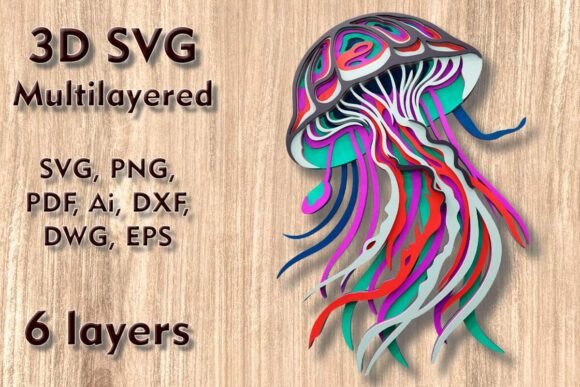
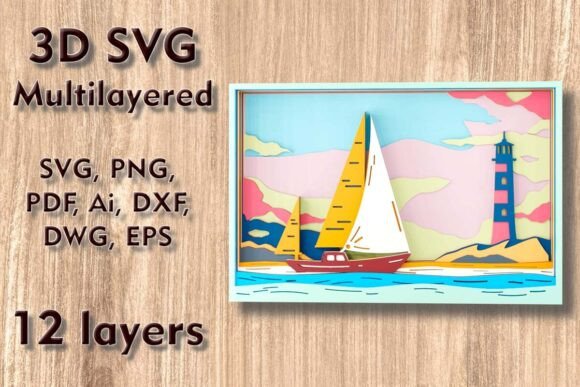
The moment you open the layers, the mood is immediately set. This is not a flat, two-dimensional graphic slapped onto fabric. The "3D" aspect implies depth, volume, and movement. For an embroidery designer, this translates to a design that plays with light and shadow through thread choice and placement. The seascape theme evokes calm, nostalgia, and the organic chaos of nature—waves, foam, and perhaps subtle hints of marine life or coastal architecture depending on how the layers are interpreted.
Visually, the layout feels balanced but dynamic. It has a natural flow that guides the eye across the canvas. In the world of Wall Decor, this is crucial. You want a piece that draws people in from across the room but rewards them with detail when they step closer. The 12-layer structure suggests a rich, textured surface. It promises a handmade product that feels substantial, not flimsy. It feels like something that belongs in a curated space—a coastal cottage, a modern nursery, or a high-end boutique hotel lobby.
Real-World Application: From File to Finished Product
Let’s talk about where this design actually lives. While the title mentions laser cutting, the core value here lies in its potential as a machine embroidery design or a hybrid craft element. Imagine preparing a custom embroidered tote bag for a summer market. A flat logo is forgettable. A layered, dimensional seascape? That tells a story. It suggests craftsmanship.
I recently evaluated this concept for a small business owner specializing in personalized gifts. We were looking at a sweatshirt embroidery project for a winter collection, using deep navy fabrics. The contrast between the dark background and the lighter, multi-tonal threads required for the seascape would create a striking visual pop. It works beautifully for custom apparel, turning a basic garment into a wearable piece of art. It also shines in baby embroidery; think of a soft blanket or a onesie where the gentle waves provide a soothing, thematic backdrop for nursery decor.
For the Etsy seller or small shop product creator, this design offers versatility. It can be scaled up for large pillow covers or scaled down for an embroidered patch. The key is understanding that this is a digital embroidery file meant to evoke a specific aesthetic. When used correctly, it elevates the perceived value of the item. Customers aren't just buying a towel; they are buying a piece of coastal lifestyle branding. It enhances brand consistency and builds customer trust because it looks intentional and professional.
Technical Considerations and Layer Management
Here is where the rubber meets the road. The product description notes a size of 295 W x 195 H mm (11.6 x 7.7 in) with 12 layers. This is a substantial design. The multilayer nature means you have control over texture and depth, but it also means your machine needs to handle a complex sequence of stitches. Whether you are using this as an applique design or relying on intricate satin stitch and fill stitch combinations, the execution must be flawless.
If you are incorporating actual Laser Cutting elements alongside the embroidery, the precision becomes even more critical. The laser-cut pieces might serve as negative space or structural accents, framing the stitched areas. This hybrid approach creates a stunning finished product that stands out in printable mockups and physical displays alike. However, be mindful of the interaction between the laser edges and the needle penetration points. You need enough stability to prevent shifting during the stitching process.
The visual appeal of this design hinges on thread colors. With 12 layers, you have a palette to work with. Don’t be afraid to experiment with variegated threads for the wave sections to mimic the shifting hues of the ocean. Use solid, contrasting colors for structural elements to maintain clarity. The goal is to ensure that the stitch density doesn’t become so heavy that the fabric buckles, especially if you are working on delicate materials.
Where to Be Careful: Limitations and Risks
No design is perfect for every scenario. Seascape 3D SVG Multilayer Laser Files requires thoughtful placement. Here are the areas where you should exercise caution:
- Small Hoop Sizes: While the base size is manageable, reducing the design too much can compromise the integrity of thin elements. If you shrink it down to fit a tiny cap front, the fine details may merge into a muddy blob. Always inspect small details before committing to production.
- Textured and Stretchy Fabrics: Avoid placing this design on highly textured fabrics like chunky knits or loose weaves unless you use a heavy-duty stabilizer. The complexity of the layers will get lost, and the stitching may pucker. Similarly, stretchy fabrics require rigorous hooping techniques to prevent distortion.
- Dense Stitch Areas: If the design includes large fill areas, consider the weight. On thin fabrics or kitchen towels, excessive density can make the item stiff and uncomfortable. Test on scrap fabric first to gauge the hand-feel.
- Curved Surfaces: Applying this to caps or hats requires careful digitizing adjustments to account for curvature. Flat designs often look distorted on curved surfaces without proper adaptation.
- Frequent Washing: For items like aprons or tea towels that will see heavy use, ensure the stitch types chosen are durable. Satin stitches can fray if not trimmed properly, and dense fills can trap lint.
Practical Designer Notes for Success
To get the most out of this design, follow these practical steps. First, always test the design on scrap fabric that matches the weight and texture of your final material. This helps you identify any tension issues or color clashes early. Second, review the stitch density in your software. If certain areas seem overly packed, consider splitting them into separate layers or adjusting the underlay stitches.
Third, check the hoop size requirements. Ensure your machine can accommodate the full dimensions without awkward re-hooping, which can misalign the layers. Fourth, inspect the thin elements closely. Are they connected securely? Will they break during trimming? If you are using this as a design asset for commercial projects, confirm the licensing terms explicitly. Just because you bought the file doesn’t always mean you have the right to sell unlimited finished goods.
Finally, visualize the end user. Who is holding this personalized gift? Is it a bride receiving a wedding gift? A parent decorating a nursery? Understanding the emotional connection helps you choose the right thread colors and presentation. A well-executed embroidery project like this one does more than decorate; it connects. It turns a simple object into a memory.
Final Verdict
Seascape 3D SVG Multilayer Laser Files is a sophisticated tool for the serious maker. It offers the depth and detail needed to compete in today’s handmade market, where quality and uniqueness are paramount. By respecting its technical requirements and leveraging its visual strengths, you can create commercial embroidery pieces that resonate with buyers. Whether you are crafting holiday embroidery specials or expanding your craft business catalog, this design provides a solid foundation for professional, engaging results. Just remember: the magic is in the details, and the details demand your attention.